Seasons & festivals
Japan pays closer attention to the calendar than almost anywhere else. Getting the timing right changes the trip more than getting the itinerary right.
The country runs from 45°N to 24°N, which is roughly Milan to Havana. Any statement about “the season in Japan” needs a location attached. Sapporo is still under snow when Okinawa's blossom has finished.
Spring — March to May
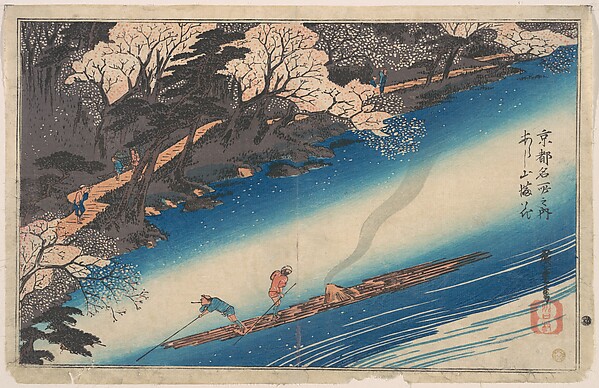
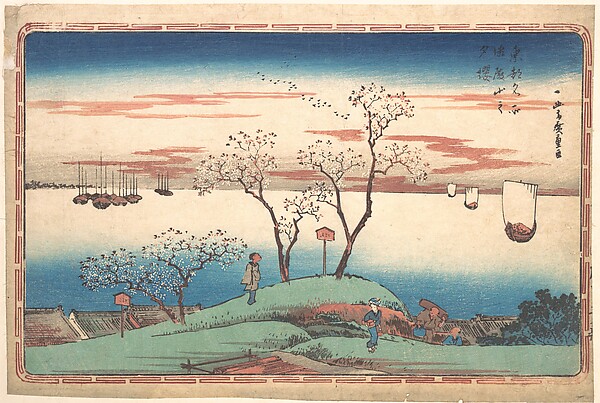
The sakura zensen, the cherry blossom front, moves north up the archipelago from late March. Peak bloom typically reaches Tokyo and Kyoto around the end of March or the first days of April, Kanazawa and Tohoku through mid- and late April, and Hokkaido at the start of May. The window at any one place is about a week, and a wet, windy few days will shorten it. Forecasts are published from January and revised weekly, but you are still gambling if you book non-refundable travel around them.
Hanami — blossom viewing — is a picnic under the trees, and in city parks it is a boisterous one. Less obvious but often better: the plum (ume) blossom in February, which is more fragrant and far less busy, and the wisteria and azaleas of late April and May.
Golden Week — a cluster of public holidays from 29 April to around 5 May — is the single worst week of the year to travel. Domestic transport and accommodation fill and prices climb. Plan to be in one place, or avoid it.
Summer — June to August
Tsuyu, the rainy season, runs roughly early June to mid-July over most of the country, arriving earlier in Okinawa and skipping Hokkaido almost entirely. It is not constant rain; it is humidity, grey skies and heavy bursts. Hydrangeas are at their best, temple gardens are green and empty, and prices are lower.
What follows is harder. July and August in the cities are genuinely punishing — commonly 33–36°C with very high humidity, and heat records have been broken repeatedly in recent summers. Plan indoor middles of days, carry water, and use the cooling towels and salt tablets sold in every convenience store. Typhoon season runs roughly July to October and mainly affects Okinawa and the Pacific coast.
Summer is also festival season, and the northern mountains are superb: Kamikochi, the Alps, Hokkaido and Tohoku are all at their best while Kyoto is unbearable.
Autumn — September to November
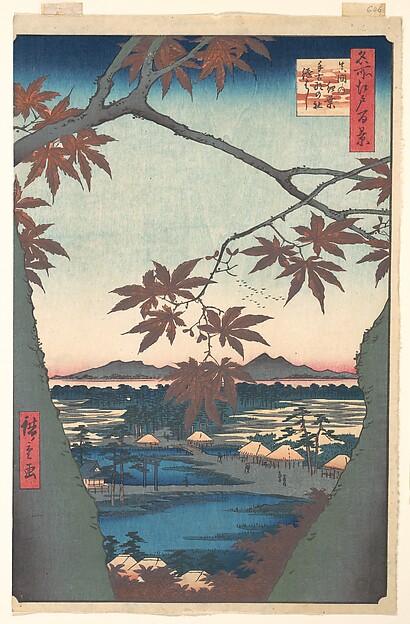
The best season to travel, on balance. September still carries heat and typhoon risk, but October and November are clear, dry and mild. The koyo autumn colour front moves the opposite way to the blossom — south and downhill — starting in Hokkaido in late September, reaching Tohoku and the Alps through October, and Kyoto and the Kanto plain from mid-November into early December.
Kyoto in the second half of November is spectacular and extremely crowded. The temples that light their gardens at night sell timed tickets; Tofuku-ji, Eikan-do and Kiyomizu-dera are the famous ones. Going at opening time, or going to Ohara and Takao instead of the city centre, makes a large difference.
Winter — December to February
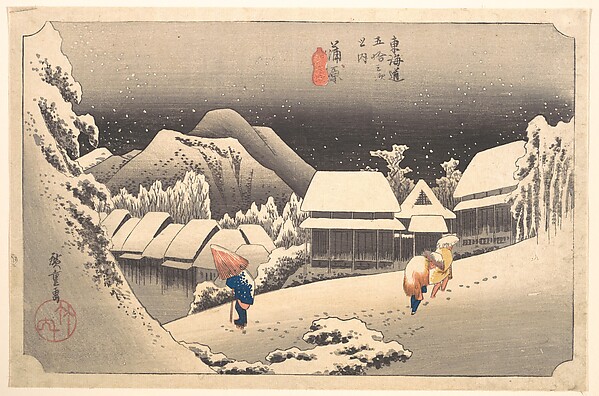
Underrated. Tokyo and Kyoto are cold, dry and bright, with clear views of the mountains, few visitors and the year's lowest prices. Meanwhile the Sea of Japan side gets some of the heaviest snowfall on earth — the Siberian airstream picks up moisture crossing the sea and dumps it on Niigata, Nagano and Hokkaido, which is why Japanese powder skiing has the reputation it does.
Snow-country highlights: Shirakawa-go's thatched village illuminated on selected winter evenings, Ginzan Onsen's gas-lit street, the snow monkeys bathing at Jigokudani, Sapporo's Snow Festival in early February, and the Tateyama snow corridor when the route reopens in April.
New Year (roughly 29 December to 4 January) is the country's most important holiday. Many businesses and museums close, transport is packed with people going home, and shrines are extremely busy with hatsumode, the first visit of the year. It is atmospheric and awkward in equal measure.
Festivals worth planning around
Dates for the larger festivals are mostly fixed year to year. Confirm before booking — some move with the weekend, and a few have been altered or scaled back in recent years.
| When | Festival | Where | What happens |
|---|---|---|---|
| 1–3 Jan | Shogatsu / Hatsumode | Nationwide | The first shrine visit of the year; Meiji Jingu alone draws around three million people |
| Early Feb | Sapporo Snow Festival | Sapporo | Enormous carved snow and ice sculptures across Odori Park |
| 3 Feb | Setsubun | Nationwide | Roasted soybeans thrown to drive out demons; big public throwings at major temples |
| Mar–Apr | Hanami | Follows the blossom north | Picnics under the cherry trees; night illuminations in the major parks |
| 15 May | Aoi Matsuri | Kyoto | Heian-costumed procession from the palace to the Kamo shrines; dates from the sixth century |
| Mid-May | Sanja Matsuri | Asakusa, Tokyo | Around 100 portable shrines carried through the streets; the rowdiest festival in Tokyo |
| All July | Gion Matsuri | Kyoto | A month of events with two great float processions on the 17th and 24th; running since 869 |
| 24–25 Jul | Tenjin Matsuri | Osaka | Land and river processions, boat bonfires and fireworks |
| 2–7 Aug | Nebuta Matsuri | Aomori | Vast illuminated paper warrior floats hauled through the streets at night |
| Mid-Aug | Obon | Nationwide | The ancestors return; bon odori dancing, family travel, and Kyoto's Daimonji bonfires on the 16th |
| Sept–Oct | Kishiwada Danjiri | Osaka | Heavy wooden floats run at speed around street corners. Genuinely dangerous, genuinely thrilling |
| 22 Oct | Jidai Matsuri | Kyoto | A procession costumed as a walk through twelve centuries of Japanese history |
| 15 Nov | Shichi-Go-San | Nationwide | Children of three, five and seven taken to shrines in formal dress |
| 2–3 Dec | Chichibu Yomatsuri | Saitama | Night floats and one of Japan’s major winter firework displays |
| 31 Dec | Omisoka | Nationwide | Temple bells rung 108 times; long-life buckwheat noodles at midnight |
Golden Week (29 April – 5 May), Obon (around 13–16 August) and New Year (29 December – 4 January). The whole country travels at once. If you must be there, book accommodation and any reserved seats months ahead and expect to pay more.