Time beats place
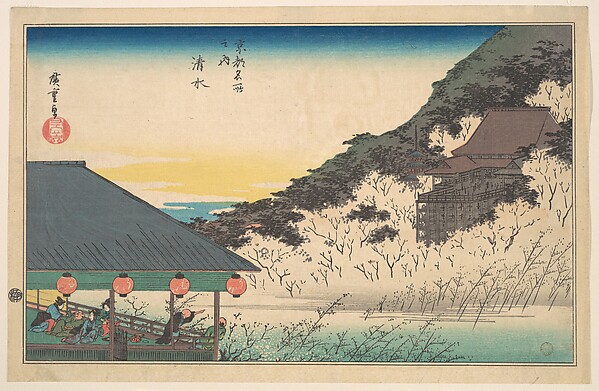
Most temples open at 08:00 or 09:00 and the tour groups arrive from about 10:00. An hour at Kiyomizu-dera at opening is a completely different experience from the same hour at midday, and it costs nothing but an early alarm.
Late afternoon works too. Many gardens are at their best in the last hour of light, and the coach parties have gone.
Eight substitutions
- Instead of Fushimi Inari's lower gates: keep climbing. Twenty minutes up, the crowd thins to almost nothing and stays that way to the summit.
- Instead of Arashiyama's bamboo grove: the bamboo path at Kodai-ji, or Adashino Nenbutsu-ji further up the same valley.
- Instead of Kinkaku-ji: Ginkaku-ji and the Philosopher's Path early, or Shisen-do's small hillside garden.
- Instead of Gion at night: Miyagawa-cho or Kamishichiken, both working districts with far fewer photographers.
- Instead of Nijo Castle: Nishi Hongan-ji, whose Momoyama interiors are as good and free to enter.
- Instead of central Higashiyama: Ohara, an hour north by bus, for Sanzen-in's moss garden.
- Instead of Ryoan-ji at midday: Ryoan-ji at opening, then Ninna-ji and Myoshin-ji next door, both nearly empty.
- Instead of the Kyoto Station tower: Mount Daimonji, a forty-minute climb behind Ginkaku-ji, for the whole city at sunset.
A courtesy note
Some private lanes in Gion have been closed to visitors after persistent harassment of working geiko and maiko, and the no-photography signs are enforced with fines. Treat the district as somebody's workplace and neighbourhood, because it is both.
The best hours in Kyoto are before breakfast. Everything else follows from that.